



Young entrepreneurs need financial services that match the realities of starting out. Ahead of the Luxembourg Award for Inclusive Finance on 12 November, the spotlight is on organisations combining capital, skills and support to turn ambition into opportunity.
No collateral, no credit history and an irregular income: young entrepreneurs can find themselves excluded from finance before their businesses have a chance to grow. Repayment schedules built around predictable salaries leave little room for seasonal earnings, informal work or the uncertainty of a first venture.
Young entrepreneurs in Western countries also face difficulties securing finance without collateral, a credit history or a stable income. For those starting their first business, meeting conventional lending requirements can be challenging before they have established a reliable revenue stream.
In developing countries, these practical hurdles can be even greater where banking services are harder to reach or earnings are seasonal. Smaller loans, flexible repayment schedules and business mentoring can help young entrepreneurs access finance suited to how their businesses operate.
The gap extends beyond access to a bank account. Useful financial services must support the transitions between education, employment, entrepreneurship and independent living.
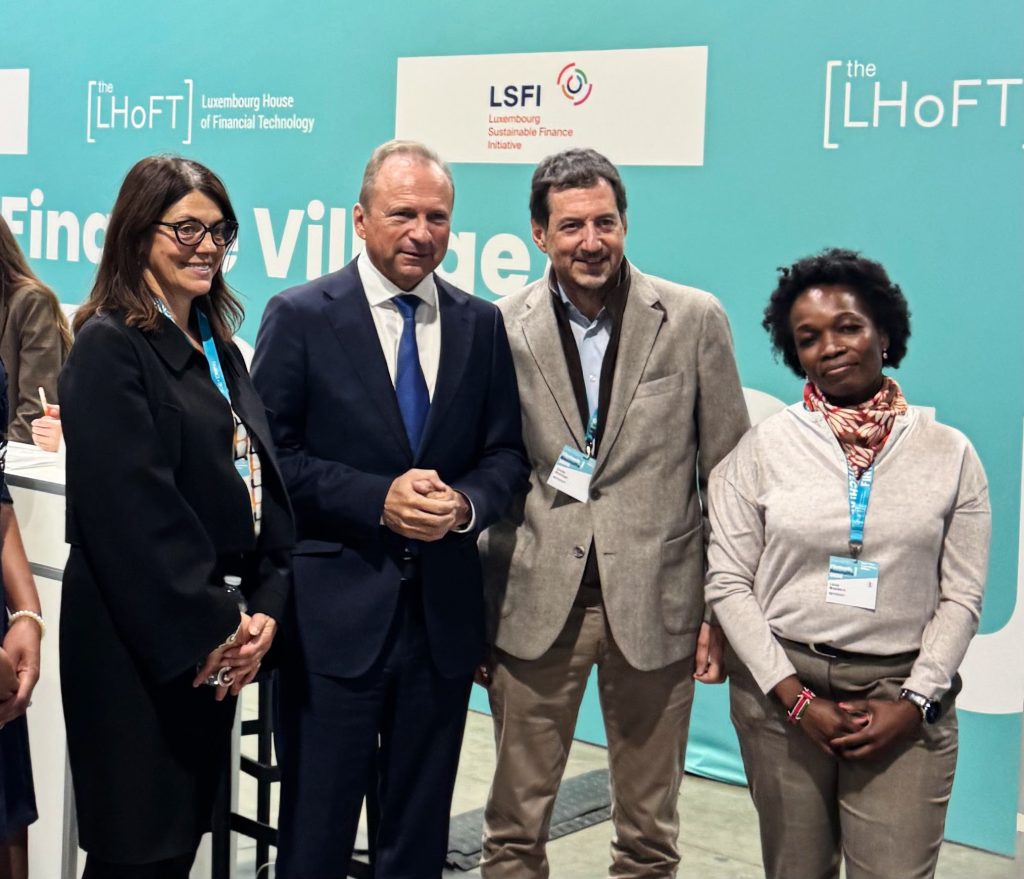
“The institution needs to understand that youth is a transition,” said Anne Bastin, executive director of the Inclusive Finance Network Luxembourg (InFiNe).
This year’s Luxembourg Award for Inclusive Finance, dedicated to “Unlocking Youth-Inclusive Finance,” puts those transitions at the centre of the discussion. The winner will be announced on 12 November 2026 at the European Investment Bank (EIB).
Designing around real life
Financial products need to accommodate how young people actually earn and spend. Smaller loans, low fees and flexible repayment schedules can help entrepreneurs manage uneven cash flows. For rural businesses, that flexibility becomes particularly important when weather and changing growing conditions affect income.
Savings can provide the starting point. Building a financial cushion and a transaction history can prepare young clients for borrowing later, while financial education helps them understand the commitments involved.
“The best products also grow with the client, moving from savings to credit to enterprise finance as their lives evolve,” said Bastin.
Assessing creditworthiness also requires a broader view. Mobile payments, utility bills and platform earnings can provide information about applicants who lack a conventional borrowing record. Strong data protection and responsible lending practices must accompany their use.
Digital services can simplify onboarding and reduce delivery costs. But access to money needs to come with the skills and support to use it effectively.
“The most successful models will combine non-financial support. Financial education, business and livelihood skills, and mentoring,” said Bastin.

Three finalists, three routes to opportunity
The 2026 finalists demonstrate how finance can support different stages of a young person’s development.
Chancen International, from Rwanda, helps young people finance education through income-share agreements. Students do not need upfront payments, collateral or guarantors. Repayments begin once graduates earn above a defined threshold and adjust to their income.
Fundación Paraguaya combines financial services with education, entrepreneurship training and coaching. Its Poverty Stoplight methodology enables participants to identify challenges in their lives and work with mentors to address them.
iFarmer, from Bangladesh, brings together agricultural finance, inputs, advice and market access. Local support and digital tools help young farmers establish financial profiles and connect with financial institutions.
The three organisations emerged from 95 applications across 43 countries. The winner will receive €100.000, with €10.000 awarded to each runner-up.
“The challenge now is to move from promising pilots to scale,” said Bastin.
Turning connections into partnerships
Expanding youth-inclusive finance requires cooperation across sectors. Investors provide capital, financial institutions develop products, NGOs contribute training and mentoring, and public authorities establish the conditions in which those services operate.
InFiNe connects those capabilities through a network of 43 members spanning the public, private and civil-society sectors. Knowledge-sharing events and a working group on de-risking create opportunities for organisations to develop partnerships and explore how private investment can support inclusive finance.
“Our strength is really this capability to connect people so that they can work together,” said Bastin.
Luxembourg’s financial community brings expertise in investment funds, blended finance and risk sharing. Connecting that expertise with organisations working directly with young people can help promising services reach more clients.
“When these players work together, they can share the risk, test innovation and scale what works,” said Bastin.
Twenty years of inclusive finance
The award’s twentieth anniversary marks a broader evolution in the sector. Formerly the European Microfinance Award, it became the Luxembourg Award for Inclusive Finance in 2026.
The new name reflects the growing range of services supporting underserved populations, including digital finance, microinsurance, climate resilience and small-business finance.
“Microfinance remains at its heart,” said Bastin.
The anniversary provides an opportunity to examine how those tools can respond to emerging needs while preserving the sector’s focus on accessible, responsible services. For young entrepreneurs, progress will depend on products that evolve with their circumstances, stronger support for young women and better evidence of what delivers lasting results.
“The progress I would most like to see is in access to credit for young adults, since that is where the gap remains largest,” said Bastin.
The Luxembourg Award for Inclusive Finance ceremony takes place on 12 November 2026 at the European Investment Bank, as part of Inclusive Finance 26: Register here.